The Quality Mineral Magnesium of Mineral Based Makeup
Magnesium (Mg) is the eighth most abundant element found in the Earth’s crust, free from man-made chemicals, alcohols, dyes and other preservatives. Hundreds of years ago, make-up caused everything from fine lines and wrinkles to death, but now we have mineral based makeup that does the opposite. The amazing mineral Mg is added to mineral cosmetics in its natural healthy forms (to name a few: magnesium stearate, Mg oxide, Mg aluminum stearate, Mg carbonate, Mg sulfate, Mg peroxide, Mg chloride, talc which is Mg silicate hydroxide).
A Natural Epsom Salt Lake:
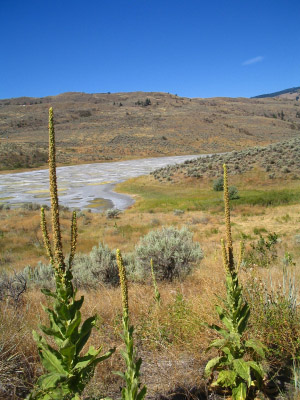
Magnesium is a light, silvery-white, moderately hard metallic element with an atomic number 12 on a chemists’ periodic chart and an atomic weight of 24.305. It melts at 649C and it boils at 1090C. It was discovered in Epsom, England in 1618. A farmer offered water from a well to his cows to drink, but they refused the water due to bitterness. This farmer noticed that this same water helped heal scratches and rashes. Now we have Epsom salts which is Mg sulphide. Sir Humphry Davy isolated pure Mg in 1808 and he wanted to call it magnium. However, the name originates from the Greek Macedonian tribe, Magnetes, in the Thessaly district called Magnesia. This district is related to the magnetite and manganese which found in that area. Mg is associated with rocks and healing stones that have their own crystal meanings, of dolomite, magnesite, peridot (olivine), heliotrope (bloodstone), tiger iron, green tourmaline, pyroxene, as well as barringtonite, nesquehonite and lansfordite.
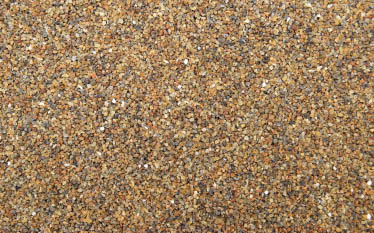
Olivine:
Magnesium Stearate (Mg stearate)
Mg stearate is a specific ingredient found in mineral makeup known for its matte finish appearance and high adhesion quality. The stearate is a plant (see botanical minerals) derived soft white powder used to improve adhesion, slip and texture in cosmetics. Mg is the earth mineral that has strong absorbent properties and some disinfecting properties. Mg stearate produces a continuous film on the skin as well as increasing coverage and reducing transparency of colors used in face powders, mascara, eye shadows, creams and ointments and other mineral makeup. Atlantasite, serpentine, garnets, serpentine, idocrase, uvarovite garnet, peridot and pink Mg calcite are a powerful healing stones containing Mg.
Talc
Magnesium silicate hydroxide, aka talc, is milled, refined and processed for safe and beneficial use in mineral based cosmetics. It has excellent makeup coverage abilities and reduces the transparency of colors providing both matte and pearly finishes. It is insoluble in water, and in mineral makeup, it functions by absorbing excess moisture or by coating particles and making them water repellent. It absorbs excess oils and enhances makeup application characteristics as well as the texture of the product. It is non-irritating to the skin thus creating a glow. Most talc comes from soapstone (steatite). It can also be found in reibeckite, montmorillonite, biotite, amphiboles and chlorite. Silicate comes from quartz.
Have a Great All Natural Makeup Recipe?
Do you have a great story about this? Share it!

Don't just build a website, build a web business!
Beauty is just a click away! Visit me, your Independent Beauty Consultant.



Welcome to The Essence of Mineral Makeup website!!! A site for makeup and mineral healing information.
For your convenience, Shop 24 hours a day! Visit me, your Mary Kay Independent Beauty Consultant: www.marykay.com/sandycarosi
Compliments of this website!!!
